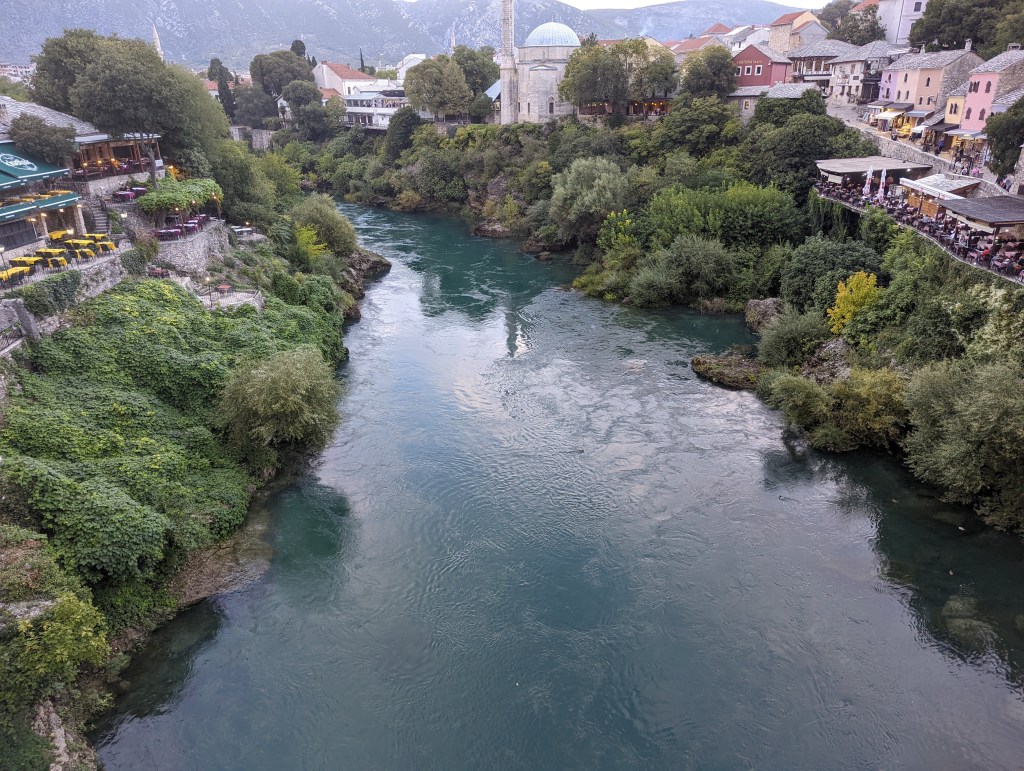
We often look for metaphors to describe the human experience, but few are as accurate as the river.
A river is more than just water; it is a massive, moving force that carries the very element required for life on this planet. But as anyone who has stood by a riverbank knows, that water doesn’t always move at the same pace.
The Changing Currents
The flow of a river—much like the flow of our days—is dictated by factors often beyond our control.
- The Calm Stretches: There are moments when the water is smooth and glass-like. You could float there for hours, undisturbed and at peace.
- The Narrow Rapids: Sometimes, life narrows. The pressure increases, the pace picks up, and suddenly you’re moving faster than you expected.
- The Storms: Then there are the seasons of heavy rain. The volume of water becomes overwhelming, the current turns dangerous, and it feels as though the river might burst its banks.
Regardless of the cause, the reality remains: the river will be calm at times, and it will be chaotic at others. There will be boulders, sharp turns, and the occasional waterfall.
Survival vs. Navigation
Life brings us these exact situations daily. Sometimes we are “cruising,” and other times we face a storm that rattles our cage and leaves us feeling overwhelmed.
When we hit those obstacles, we have two choices:
- Let the river sweep us away.
- Take initiative and navigate.
It often feels like we were thrown into these waters without a paddle or a map. But we are not as helpless as we feel. We have tools, experiences, and—most importantly—each other. The bravest thing you can do when the current gets too strong is to ask for help.
Preparing in the Calm
The mistake many of us make is that we only try to grow when we are drowning.
When you find yourself in those easy, peaceful stretches of the river, don’t just drift. Use that time to gather your tools. Learn a new skill, strengthen your mindset, and prepare for the next bend in the river.
By getting “comfortable being uncomfortable,” you stop being a victim of the current. You realize that the storms aren’t just threats—they are learning experiences.
The Goal: To reach a point where you aren’t just going where the river takes you, but where you choose to go.
Reflect & Connect
- Where is your river today? Are you in a calm stretch, or are you currently navigating some rapids?
- What “tools” are you currently building? What is one skill or habit you’re working on now to prepare for the next storm?
- When was a time you asked for help during a difficult stretch? How did that support change your journey downstream?
I’d love to hear your thoughts in the comments below!
E. Luna

 My Perspective on Life